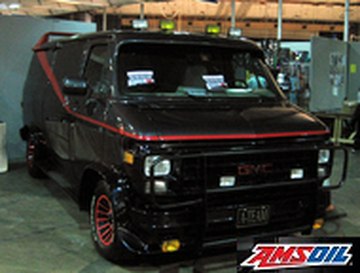
Maintenance Guide for 1983 Gmc Trucks G1500 VAN 4.1L
Maintaining a vintage vehicle like the 1983 Gmc Trucks G1500 VAN requires consistent attention to fluid levels and filtration components. Proper upkeep of the engine and transmission systems helps ensure the longevity of these mechanical components. This guide provides information regarding specific parts listed for this vehicle and general maintenance principles for your 4.1L engine.
What transmission filter does my 1983 Gmc Trucks G1500 VAN 4.1L need?
For the 1983 Gmc Trucks G1500 VAN with the 4.1L engine, the following transmission filters are listed: 58881-EA (WIX Transmission Filter) and 58897-EA (WIX Transmission Filter).
Engine Oil Maintenance Fundamentals
The engine is the heart of your vehicle, and regular oil changes are a fundamental aspect of ownership. Engine oil serves several critical roles: it lubricates moving parts to reduce friction, helps dissipate heat away from combustion areas, and carries contaminants toward the oil filter. Over time, oil breaks down due to thermal stress and accumulates microscopic debris and combustion byproducts.
To maintain engine health, you should monitor your oil level frequently using the dipstick. If the oil appears excessively dark or gritty, it may be nearing the end of its effective service life. Always refer to your owner's manual or the manufacturer's maintenance schedule to determine when your next oil change is required.
Understanding Engine Oil Viscosity
Viscosity refers to a fluid's resistance to flow. In an internal combustion engine, the viscosity of the oil must be appropriate for the clearances between moving parts and the operating temperatures the vehicle encounters. If an oil is too thin, it may not provide a sufficient protective film; if it is too thick, it may not circulate quickly enough during a cold start.
For this specific 1983 Gmc Trucks G1500 VAN application, the database allows for 10W-30 engine oil. Using the correct viscosity helps ensure that the lubrication system performs as intended across various operating conditions. Always verify that any product you select matches the requirements specified in your vehicle's documentation.
The Role of the Oil Filter
An engine oil filter is just as important as the oil itself. As oil circulates through the engine, the filter captures soot, metal particles, and other contaminants that could otherwise cause abrasive wear on cylinder walls, bearings, and camshafts. A clogged or inefficient filter can restrict oil flow, potentially leading to increased component wear.
It is standard practice to replace the oil filter every time the engine oil is changed. This ensures that the new oil begins its service life in a clean environment. When selecting a replacement, ensure the filter is intended for your specific engine configuration to prevent leaks or improper fitment.
Transmission Fluid and Filter Care
While much focus is placed on the engine, the transmission system requires its own dedicated maintenance routine. The transmission filter, such as the 58881-EA or 58897-EA WIX models listed for this vehicle, plays a vital role in removing debris from the transmission fluid. Clean fluid is necessary for smooth gear transitions and to prevent internal component damage.
Regularly checking transmission fluid levels can help identify potential leaks early. If you notice changes in shifting behavior or unusual odors, it may indicate that the fluid is degraded or that the filter needs attention. Follow your manufacturer's maintenance schedule for specific intervals regarding transmission service.
General Fluid Inspection Tips
Beyond engine oil and transmission fluid, a complete maintenance routine involves inspecting other essential fluids. This includes coolant, brake fluid, and power steering fluid. Leaks can often be identified by looking for puddles under the vehicle or noticing a drop in fluid levels via the reservoir or dipstick.
When performing inspections, always ensure the vehicle is parked on a level surface and the engine is at the appropriate temperature (either hot or cold, depending on the specific fluid's requirements) to get an accurate reading. Keeping a log of when fluids are checked and replaced can assist in long-term vehicle management.
BUYING ENGINE OIL
When you are ready to purchase supplies, ensure you are selecting products that meet the needs of your 4.1L engine. When BUYING ENGINE OIL, check the container to confirm it matches the 10W-30 viscosity listed for this application. Always read the label to ensure the oil meets the necessary service classifications and is appropriate for use in your specific vehicle model. Selecting high-quality fluids and filters according to your manufacturer's maintenance schedule is the best way to support your vehicle's continued operation.